
The Ultimate Guide to Tracking Pregnancy Symptoms: What to Monitor and When to Call Your Doctor
Pregnancy is an exciting and transformative time, but it can also bring a rollercoaster of symptoms. Every pregnancy is different, and your body is constantly changing to accommodate your growing baby. Keeping track of how you feel throughout these months can help you understand what's normal and when something might require your attention.
While it’s common to experience fatigue, nausea, weight gain, and mood changes, it’s essential to monitor any symptoms that could indicate a potential issue. Tracking your symptoms not only helps you stay on top of your health but also ensures that you have valuable information to share with your doctor during visits.
In this blog post, we’ll dive into the most important symptoms to track during pregnancy, as well as when to seek medical advice for worrisome signs.
1. Fatigue: A Common Symptom to Track
Fatigue is one of the most common symptoms in early pregnancy. Your body is working overtime to support your growing baby, and this can leave you feeling drained, especially in the first trimester. Many women report feeling exhausted in the early stages, but as your body adjusts to the changes, the fatigue can often improve in the second trimester.
However, it’s important to note the degree of fatigue. While feeling tired is normal, extreme fatigue that leaves you feeling unable to carry out normal tasks may be a sign of something more serious, like anemia or a thyroid issue. Keep a note of how much rest you're getting, how often you're experiencing fatigue, and whether it's getting better or worse.
How to Track:
Note when you feel most tired throughout the day.
Keep track of how much sleep you're getting at night and how well rested you feel in the morning.
Watch for patterns: Are you feeling more fatigued after certain activities, or is it constant throughout the day?
When to Talk to Your Doctor: If you find that no matter how much you rest, your fatigue is debilitating or worsening, it’s worth mentioning to your doctor. Severe fatigue could be a sign of anemia, dehydration, or gestational diabetes, so it’s important to get to the bottom of it early.
2. Nausea and Morning Sickness: Keeping Track of Your Symptoms
Morning sickness, or nausea and vomiting, is another hallmark of early pregnancy. Although the term "morning sickness" suggests that it only occurs in the morning, many women experience nausea at any time of day. For most, nausea improves around the 12th week of pregnancy, but some women may experience it well into the second trimester.
Tracking the severity and frequency of nausea and vomiting can help you and your doctor gauge whether you need extra support. Hyperemesis gravidarum, a more severe form of morning sickness, can cause extreme nausea and dehydration, and requires immediate medical attention.
How to Track:
Keep track of when nausea occurs, what triggers it, and how severe it is.
Take note of any vomiting or other symptoms (like dizziness or dehydration).
Note if nausea is interfering with your ability to eat, drink, or maintain energy levels.
When to Talk to Your Doctor: If your nausea is so severe that you can't keep any food or fluids down, or if you're experiencing weight loss, dehydration, or dizziness, it’s time to reach out to your healthcare provider. These could be signs of hyperemesis gravidarum, which may require medical intervention.
3. Weight Gain: Monitoring Your Pregnancy Progress
Healthy weight gain is an important part of a healthy pregnancy. Your doctor will likely give you a recommended weight gain range based on your pre-pregnancy weight and BMI. Tracking your weight gain helps you ensure you’re on the right path.
While gaining weight is normal, rapid weight gain can be a sign of excessive fluid retention, which can be linked to conditions like gestational hypertension or preeclampsia. On the flip side, insufficient weight gain may indicate that you or your baby aren’t getting enough nutrition.
How to Track:
Keep track of how much weight you’ve gained at each prenatal visit and monitor any changes between appointments.
Track your daily eating habits to ensure you’re getting enough nutrients.
If you're gaining weight rapidly, particularly in the second or third trimester, pay attention to any other symptoms like swelling or high blood pressure.
When to Talk to Your Doctor: If you experience rapid weight gain (more than 2-3 pounds a week) or notice swelling in your face, hands, or feet, it could be a sign of preeclampsia. Be sure to report these symptoms to your doctor immediately, especially if accompanied by headaches or blurry vision.
4. Mood Swings: Navigating Emotional Changes
Pregnancy hormones can cause significant emotional fluctuations. From bursts of happiness to moments of crying or irritability, mood swings are totally normal, especially in the first trimester. Many women also experience emotional ups and downs due to the physical discomfort of pregnancy, anxiety about childbirth, or changes in relationships.
While mood swings are a common part of pregnancy, extreme mood changes, anxiety, depression, or feelings of hopelessness should not be ignored.
How to Track:
Write down when you feel particularly emotional and what may have triggered it.
Monitor your overall emotional state: Are you feeling down more often than happy? Are you overly anxious or stressed?
Take note of any significant changes in how you interact with others—are you more withdrawn, irritable, or feeling disconnected?
When to Talk to Your Doctor: If you’re experiencing persistent feelings of sadness, hopelessness, or severe anxiety, or if you feel detached from reality, it’s crucial to talk to your doctor. These could be signs of perinatal depression, which is a serious condition that can affect both your health and your baby’s health.
5. Changes in Baby’s Movement After 24 Weeks: Pay Close Attention
One of the most exciting milestones of pregnancy is feeling your baby’s movements. By around 24 weeks, your baby’s movements should become more distinct and noticeable. While fetal movement is often seen as a reassuring sign that your baby is doing well, a noticeable decrease in movement after this stage could signal a problem.
It’s important to track your baby’s movement patterns and note any changes. After 24 weeks, you should feel your baby move at least 10 times during a 2-hour period. If you notice a significant decrease or absence of movement for a prolonged period, it’s crucial to contact your doctor right away.
How to Track:
Take a moment every day to focus on your baby’s movement. Try to do this at the same time each day (often after meals or when you’re lying down).
Count kicks, rolls, and other movements. If you don’t feel at least 10 movements in two hours, take note and monitor again in the next 24 hours.
When to Talk to Your Doctor: If you notice a reduction in movement or no movement at all for an extended period, contact your doctor immediately. Your doctor may recommend additional monitoring or tests to ensure your baby is doing well.
6. Worrisome Symptoms to Watch Out For
Aside from the everyday symptoms of pregnancy, there are a few red flags that should prompt immediate medical attention. Keep an eye out for:
Severe headaches that don’t go away with rest or medication.
Swelling that is sudden or severe in the face, hands, or feet.
Blurred vision or seeing spots.
Painful urination or blood in your urine (which could indicate a urinary tract infection).
Shortness of breath or chest pain.
Severe abdominal pain or cramping.
These symptoms could indicate conditions like gestational hypertension, preterm labor, preeclampsia, or other complications that require immediate medical care.
Conclusion: Why Tracking Matters
Tracking your symptoms during pregnancy isn’t just about staying organized; it’s about empowering yourself to recognize when something might be wrong. By paying attention to the changes in your body and documenting them, you’re creating a clear record that can help your healthcare provider make informed decisions.
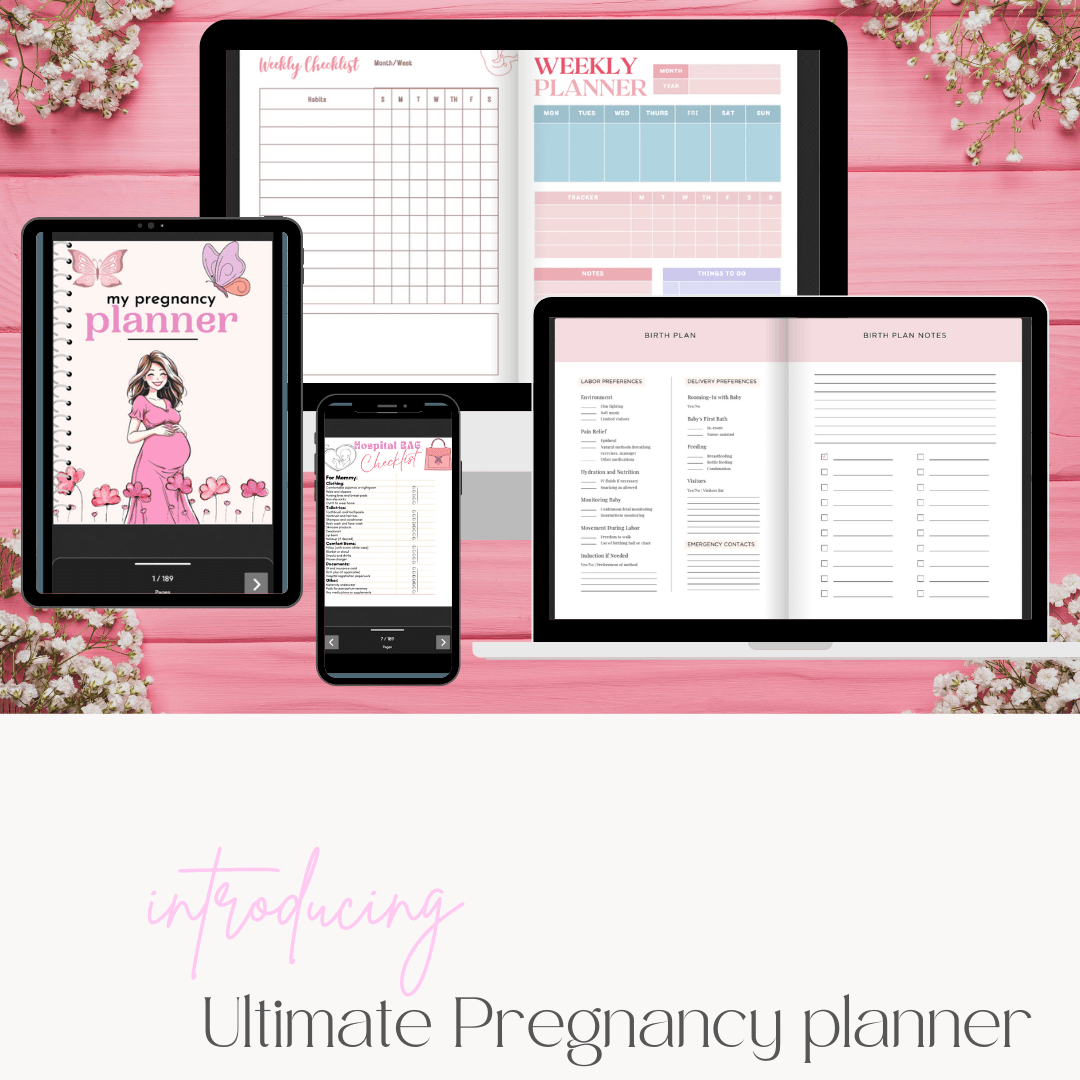
A pregnancy planneror journal is a great tool for keeping track of symptoms like fatigue, nausea, and weight gain, and it can also help you remember when to seek medical help for concerning signs. Whether you choose to go digital or stick with a paper journal, staying on top of your symptoms gives you the best chance for a healthy pregnancy and peace of mind.
Always trust your instincts—if you’re ever unsure whether a symptom is normal, it’s always better to reach out to your doctor for advice.
Want to stay organized throughout your pregnancy? Explore our Digital Pregnancy Plannerfor a convenient and customizable way to track your symptoms and milestones from week to week!
By keeping an eye on your symptoms and knowing when to reach out to your healthcare provider, you can ensure a healthy pregnancy journey. Tracking your pregnancy is empowering, and it gives you the confidence you need to take the best care of yourself and your baby.
Created with © systeme.io